
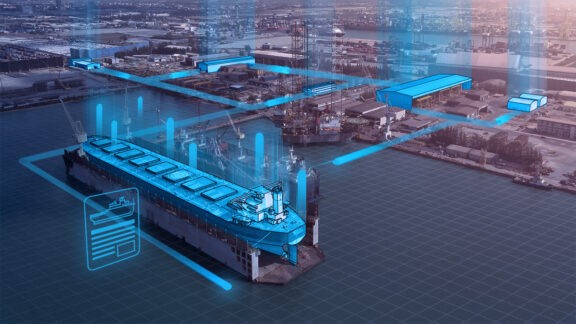
What If The Most Valuable Thing You Deliver Isn’t The Ship?
Every shipyard delivers a vessel.
But the most valuable thing created during a program may actually be the engineering data behind it.
For decades, success in shipbuilding has been measured by delivering complex vessels on time and on budget. Yet once a ship enters service, the decisions made during design and construction continue to influence maintenance, modernization and operational readiness for decades.
The challenge is that engineering information often becomes fragmented as projects move from concept to detailed design, construction and sustainment. Data is recreated, translated between systems or disconnected from the decisions that gave it meaning. Over time, configuration history becomes harder to trace, engineering intent is lost and confidence in the information begins to erode.
The result isn’t just an information problem. It becomes a business problem. Owners and operators spend more time searching for trusted data, making critical decisions with incomplete information and recreating work that should already exist.
The greatest opportunity to reduce lifecycle costs often isn’t found in negotiating a lower contract price. It’s found in creating trusted, connected engineering data that continues delivering value long after a vessel leaves the yard.
In this thought-provoking article, Eddy Howard, Sales & Development Manager at SSI, explores why owners and operators should define lifecycle data requirements before a program begins, and why connected engineering data has become one of shipbuilding’s most valuable strategic assets

